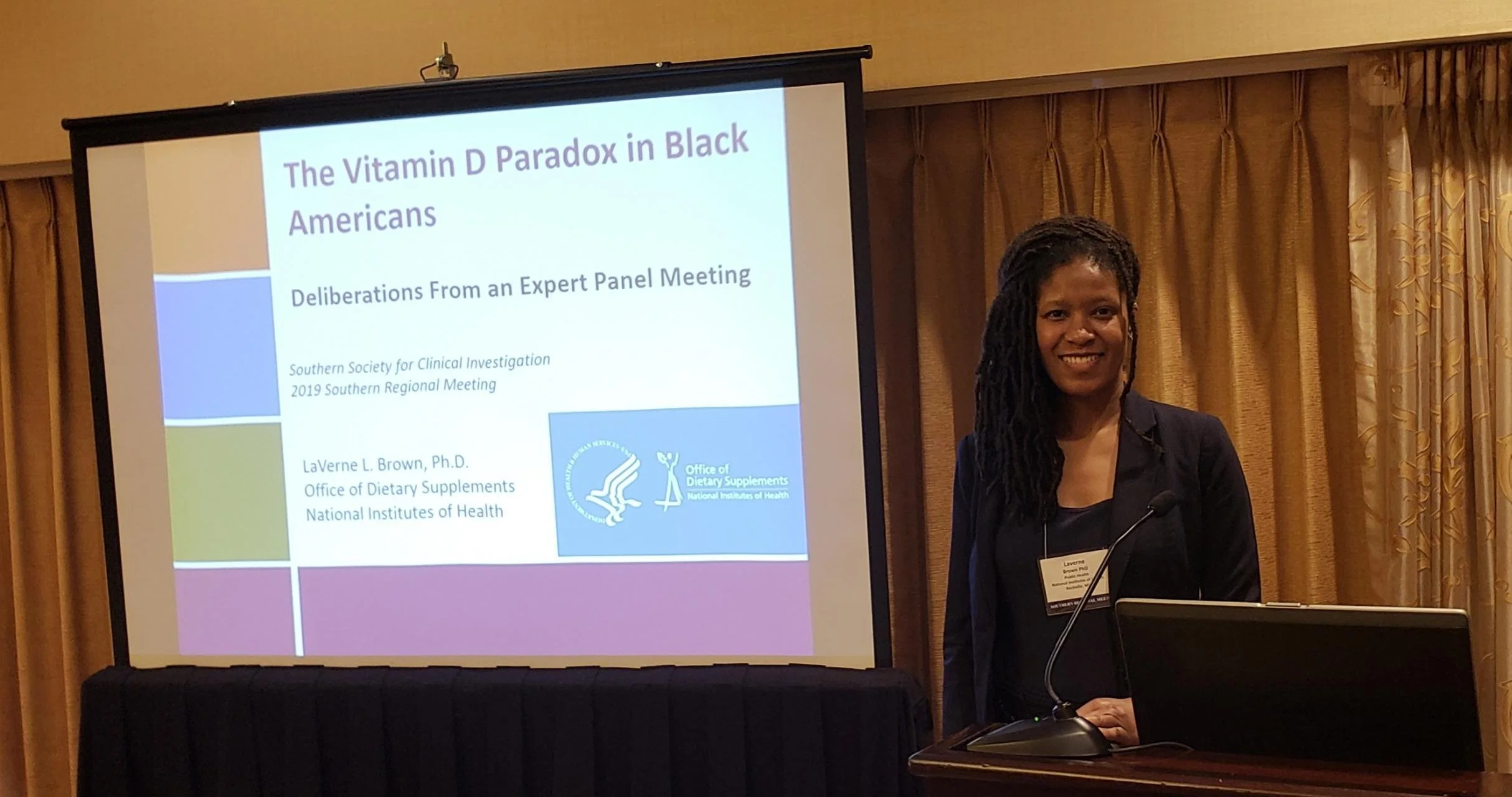
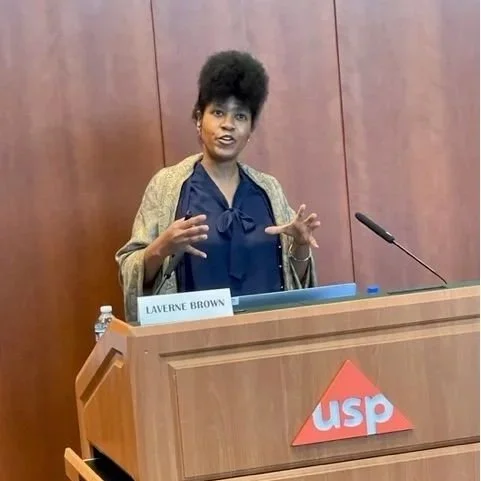
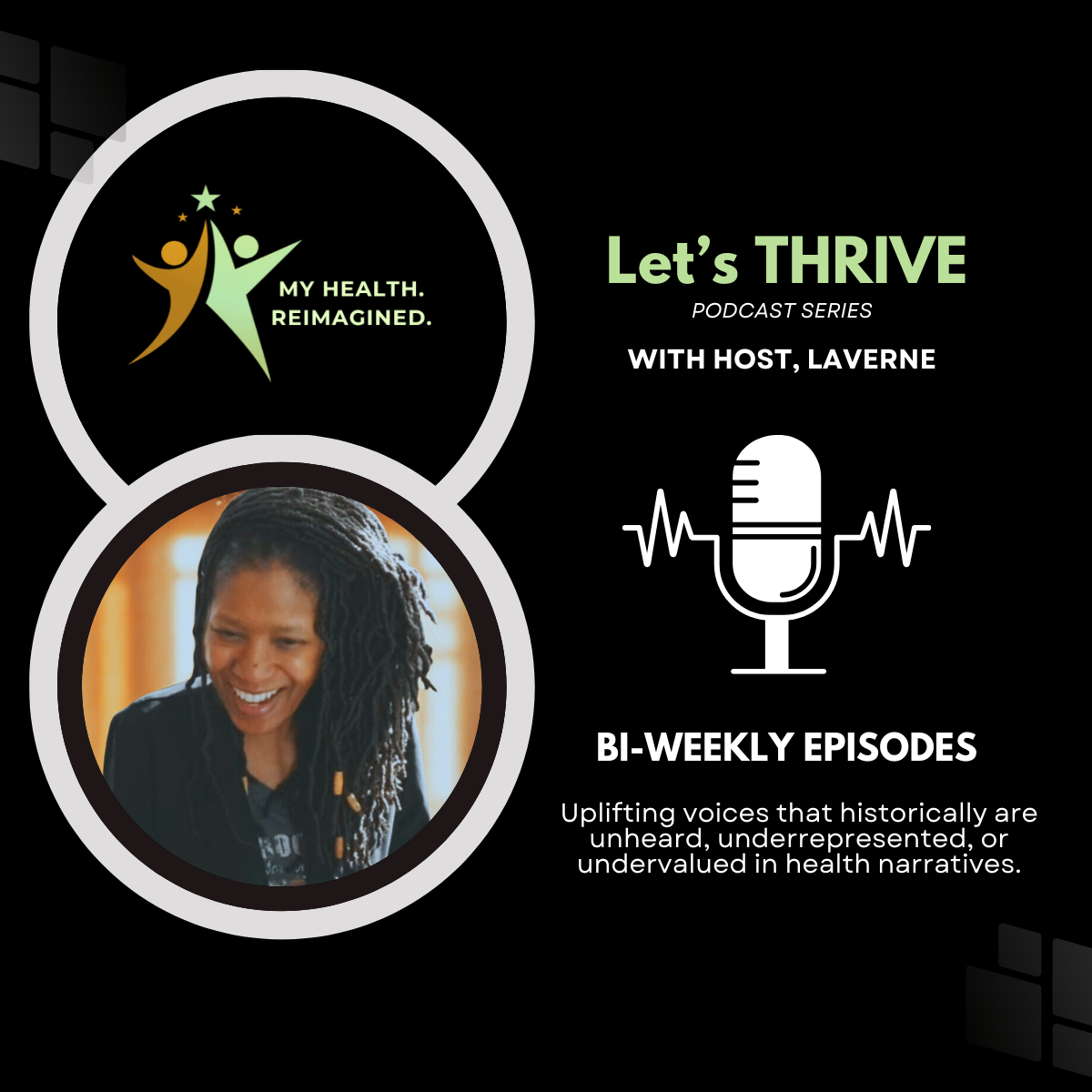
LaVerne L. Brown, Ph.D. is the founding executive director of My Health Reimagined and host of the THRIVE podcast series. At the National Institutes of Health, Dr. Brown led two nationally recognized initiatives that are reshaping how biomedical science understands health across diverse populations: the development of the biomedical science of resilience framework, and the Vitamin D Paradox in Black Americans initiative. Her presentations move scientists, policymakers, and community leaders from passive awareness of research inequity to active understanding of its structural causes and its biological consequences. Dr. Brown doesn't just describe the problem of normalizing one population group as the universal health standard, she makes it undeniable.

About the Speaker
Speaking Topics
-
Description: Naming the problem of biased health standards is necessary but insufficient. In this presentation, Dr. Brown moves beyond critique to deliver a complementary, actionable framework for how biomedical science can pursue a complete and accurate understanding of health. Drawing on her work developing the biomedical science of resilience framework at the National Institutes of Health, Dr. Brown demonstrates how thriving is achieved not only by reducing risk factors but by identifying and building on the underappreciated biological and community strengths that deficit-based research has systematically overlooked.
Takeaways:
Audiences will distinguish between deficit-based and strength-based approaches to health research and will identify at least one specific way that strength-based framing would change how a current study, policy, or program in their field is designed or evaluated.
Audiences will leave with a working understanding of the biomedical science of resilience framework as a scientifically grounded methodology for producing more complete and more equitable health knowledge.
-
Description: By placing two fully healthy woodpeckers side by side and demonstrating how one becomes 'diseased' the moment the other's biology becomes the standard, Dr. Brown delivers a science-based experience that makes the structural problem of population-based health norming viscerally undeniable. This keynote reaches scientists and non-scientists alike because the argument is made in biology before it is made in policy, and by the time the human health parallel lands, the audience has already reached the conclusion themselves.
Takeaways:
Audiences will identify the specific mechanisms by which health standards built from a single population group produce false pathologies in historically excluded communities and will name at least one example from their own field or practice.
Audiences will leave with a reframed understanding of research inclusion: not as a diversity initiative, but as a scientific necessity for producing valid, generalizable health knowledge.